Buying a car from a junk yard or salvage auction can cost less than purchasing a used vehicle through a traditional dealer, but the lower price often reflects collision, flood, hail, theft, vandalism, or other damage. The safest approach is to verify the title, inspect the vehicle, and calculate the complete cost before placing a bid or paying a junk yard.
Where to buy junk yard cars
There are three main places to look for junk yard cars in the United States:
- Online salvage auctions: Copart and IAA list damaged, salvage, used, and some clean-title vehicles.
- Local auto recyclers and junk yards: Some sell complete vehicles, while others offer cars mainly for parts or scrap.
- Self-service yards: These commonly sell parts from dismantled vehicles, so confirm whether complete cars are available before visiting.
Copart
Copart operates an online auction for salvage, damaged, used, and some clean-title vehicles. The usual process is to register, search the inventory, review a listing, bid, pay, and arrange pickup or transportation. Some vehicles are available to public buyers without a business license, while other listings may require a license or a broker.
IAA
IAA lists salvage and used vehicles through online auctions. Selected vehicles are offered through IAA Buy Now, which allows an eligible buyer to purchase at a set price instead of waiting for a live auction. Availability and buyer requirements depend on the vehicle and its location.
How to find junk yard cars
- Search Copart and IAA by make, model, year, location, title type, and damage category.
- Check local auto recyclers and salvage yards to determine whether they sell complete vehicles or only parts.
- Review every listing for the VIN, title description, damage type, keys, vehicle completeness, and sale conditions.
- Confirm whether the listing is open to public buyers or requires a business license or broker.
- Arrange an inspection before bidding whenever the auction or yard permits it.
Because no city or state was specified, local junk-yard names, addresses, phone numbers, hours, and available inventory cannot be identified reliably. Local availability also changes frequently, so the vehicle location shown in the current listing should be verified before making travel or transportation arrangements.
Check the title and VIN before buying
A salvage title is generally issued after an insurer declares a vehicle a total loss. The exact definition, inspection process, registration rules, and title branding vary by state. Damage may result from a collision, flood, hail, theft recovery, or vandalism.
Use the VIN to obtain a vehicle history report from a provider approved through the National Motor Vehicle Title Information System, or NMVTIS. A report can include title records, insurance-loss information, salvage information, ownership history, and accident or repair records. The FTC recommends obtaining a vehicle history report before buying a used vehicle.
Pay close attention to certificates of destruction, non-repairable certificates, junk certificates, and similar brands. These vehicles may be restricted to parts or scrap and may not qualify for normal retitling.
Inspect the vehicle before bidding
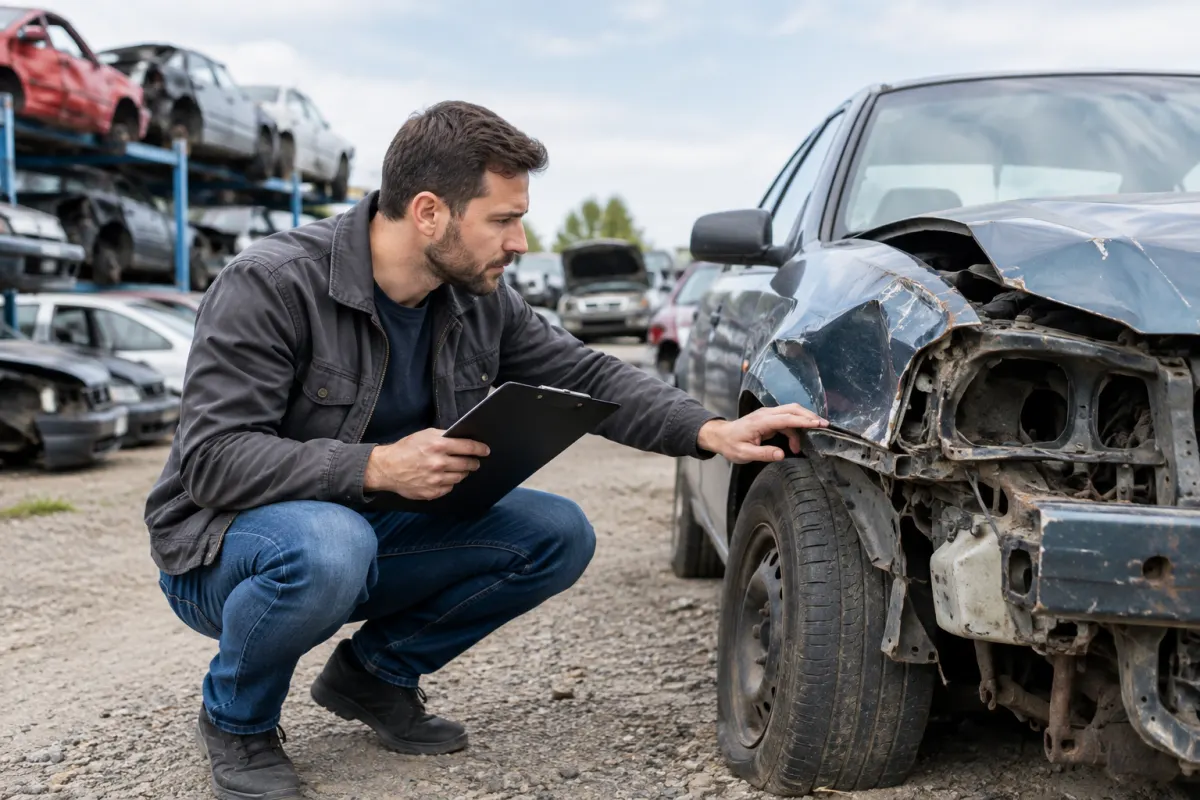
Auction photographs and descriptions are useful for initial screening, but they do not replace an in-person inspection. If you cannot inspect the car yourself, consider hiring an independent inspector who can document the following:
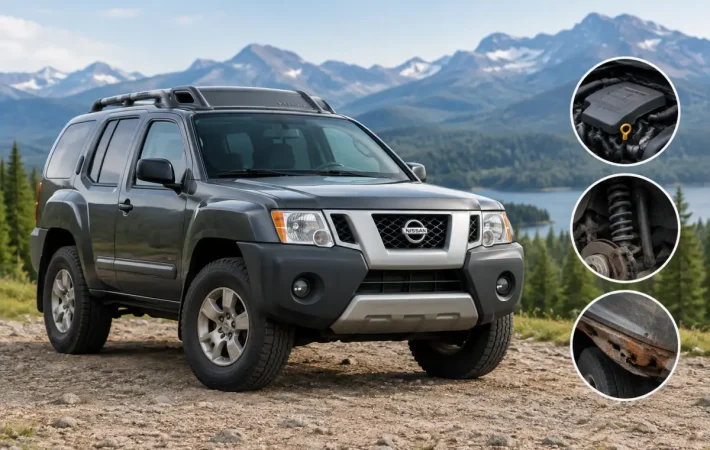
- Frame, unibody, suspension, and visible structural damage
- Flood or water intrusion, including corrosion and damaged electrical components
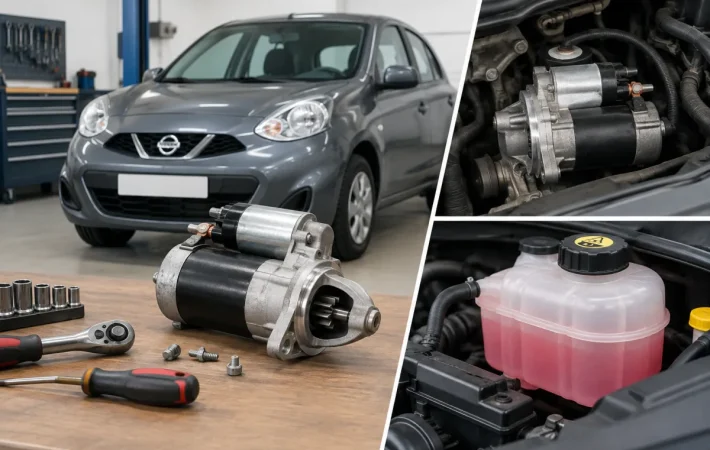
- Engine, transmission, cooling system, and fluid condition
- Airbags, seat belts, dashboard warning lights, and safety systems
- Missing parts, keys, wheels, catalytic converter, battery, and interior components
- Whether the VIN labels and vehicle description appear consistent
Do not assume that a vehicle described as running or starting is safe to drive. It may still need extensive mechanical, electrical, or structural repairs.
How much is a junk yard car?
There is no reliable nationwide fixed price for a junk-yard car. The amount depends on the make, model, year, title status, damage, completeness, location, auction demand, and added charges.
Calculate the total purchase cost using this formula:
Winning bid or sale price + auction fees + taxes + storage charges + transportation + inspection + repairs + title, registration, and required inspection costs.
A low winning bid can become an expensive purchase after shipping, storage, replacement parts, bodywork, diagnostic work, and title-related requirements are included. Get a transportation estimate before bidding, especially when the vehicle is located in another state or cannot be driven.
Confirm buyer and registration requirements
Some auction vehicles can be purchased by members of the public, while others require a business license or a broker. Requirements depend on the vehicle, its title type, the auction rules, and the state where the vehicle is located.
Before paying, verify:
- Whether you are eligible to bid directly
- Whether a broker is required
- Whether the title can be transferred to you
- Whether the state requires a salvage inspection before registration
- Whether the vehicle can receive a rebuilt title or be registered for road use
- Whether an insurer will provide the coverage you need
State rules for salvage titles, inspections, registration, insurance, and licensing must be checked for the state where you intend to title the vehicle. Insurance availability for salvage or rebuilt-title cars also varies by insurer.
A practical buying checklist
- Choose a vehicle with a repair cost that fits your budget.
- Record the VIN and review its history through an approved NMVTIS provider.
- Read the title and damage description carefully.
- Check for restricted or parts-only title brands.
- Inspect the vehicle personally or hire an independent inspector.
- Confirm public-buyer, license, and broker requirements.
- Estimate auction fees, taxes, transport, storage, repairs, inspection, and registration.
- Bid only after confirming the title and registration path in your state.
- Arrange pickup promptly to avoid possible storage charges.