Are Nissan Xterras reliable? They can be, especially when properly maintained, but reliability varies significantly by generation, service history, corrosion exposure, drivetrain condition, and recall status. The available evidence does not establish a guaranteed lifespan or a universal mileage limit for every Xterra.
The first-generation Xterra covers model years 2000–2004, while the second generation covers 2005–2015. Before buying or keeping one, the vehicle identification number, maintenance records, rust condition, cooling system, transmission, and fuel system should be checked carefully.
Nissan Xterra reliability by generation
First-generation Xterra: 2000–2004
Early Xterras can be durable, but certain 2000–2003 vehicles were affected by a fuel-sending-unit recall. Corrosion at the fuel-sending-unit terminal could stop the fuel pump from operating, prevent the engine from starting, or cause the engine to stop while driving.
For a first-generation Xterra, inspect the fuel system and confirm that the relevant recall work was completed. Rust, cooling-system condition, drivetrain wear, and documented maintenance are also important factors because these vehicles are now older and their condition can vary widely.
Second-generation Xterra: 2005–2015
The second-generation Xterra is generally newer and offers a more modern platform, but it is not free of potential problems. Certain 2005–2014 Xterras were included in Nissan campaign P7318. The affected vehicles were identified by production date and vehicle identification number, so checking the VIN is more reliable than judging campaign status by model year alone.
NHTSA records associated with this generation include complaints involving shuddering, loss of motive power, stalling, overheating, no cabin heat, no reverse, and check-engine warnings. These records do not mean that every Xterra will develop these problems, but they show why a thorough inspection and service-history review matter.
Common Nissan Xterra problems to check
- Fuel-system corrosion: Certain 2000–2003 Xterras had a recall related to corrosion at the fuel-sending-unit terminal.
- Shuddering and loss of power: NHTSA investigation records included complaints of vehicle shudder, inability to maintain speed, loss of motive power, and engine stalling.
- Overheating: Overheating and lack of cabin heat appeared among reported concerns and should be investigated before purchase.
- Transmission and drivetrain condition: Check for warning lights, delayed engagement, unusual noises, difficulty selecting gears, and evidence of neglected fluid service.
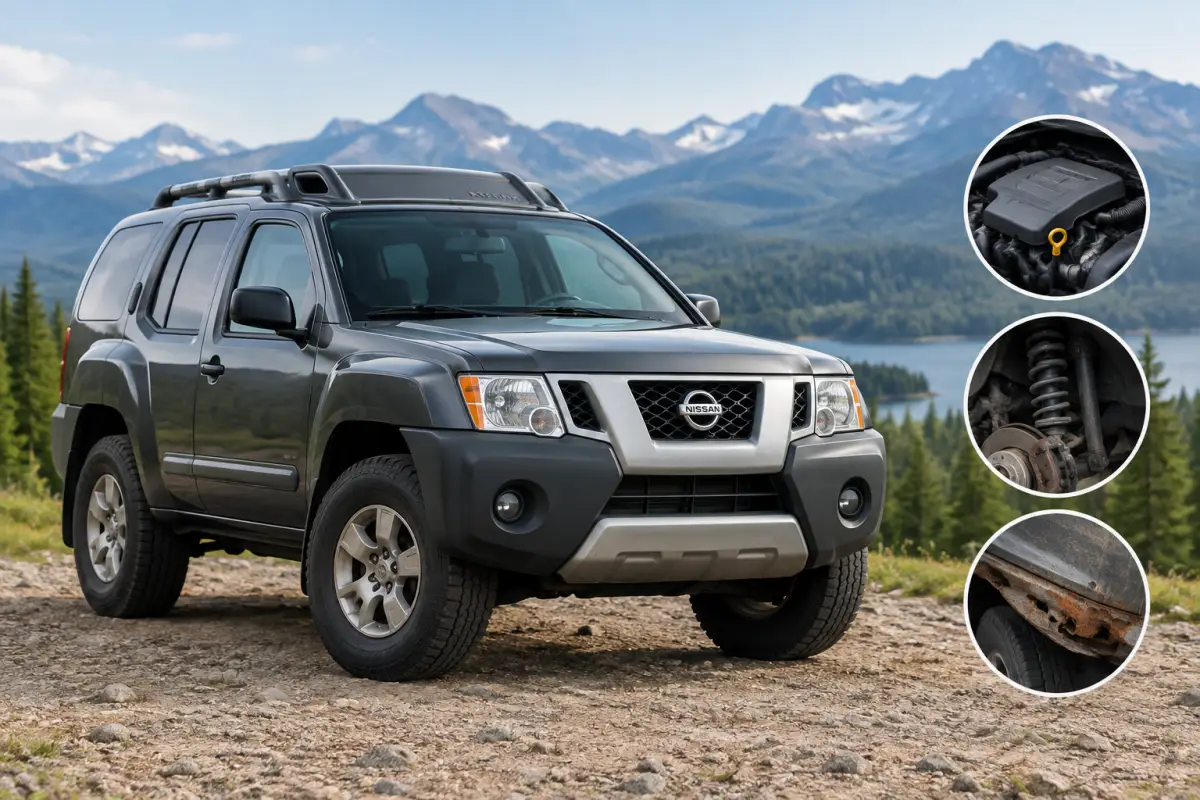
- Rust and corrosion: Corrosion can affect the fuel system, frame-related areas, brake components, and other structural or mechanical parts, particularly in regions where road salt is used.
- Uncompleted recalls or campaigns: A vehicle’s exact VIN should be checked rather than relying only on its model year.
How long can a Nissan Xterra last?
Official sources do not provide a statistically valid average lifespan or a guaranteed maximum mileage for all Xterras. Longevity depends on regular maintenance, driving conditions, corrosion, drivetrain condition, accident history, and the quality of previous repairs.
NHTSA records for the investigated issue set reported an average mileage of approximately 106,482 miles when complaints were filed. This is not a lifespan estimate and should not be treated as a mileage limit. It only indicates the mileage recorded in those complaints.
A well-maintained Xterra with minimal corrosion and complete service records may remain useful for many years, while a lower-mileage vehicle with neglected fluids, overheating, rust, or unresolved recall work may require expensive repairs sooner.
What to check before buying a used Xterra
- Obtain the vehicle identification number and search for open recalls and campaigns.
- Review maintenance records for oil, cooling-system, brake, transmission, transfer-case, and differential service.
- Inspect the underbody, fuel-system areas, frame-related components, brake lines, and suspension for corrosion.
- Test-drive the vehicle for shuddering, loss of power, overheating, warning lights, transmission issues, and abnormal drivetrain noises.
- Check for a functioning heater and confirm that the engine reaches and maintains normal operating temperature.
- Have an independent mechanic inspect the vehicle before purchase, especially when service records are incomplete.
How to verify recalls and maintenance requirements
The NHTSA recalls database can be searched by VIN, license plate, or vehicle year, make, and model. A VIN search is necessary to determine whether a specific Xterra has an unrepaired recall. NHTSA lists its vehicle-safety resource at 1200 New Jersey Avenue SE, Washington, DC 20590, with the phone number 1-888-327-4236.
Nissan’s official maintenance resources provide schedules based on the vehicle configuration, mileage, driving conditions, and VIN. Nissan’s maintenance assistance phone number is 1-800-647-7261. The owner’s manual and vehicle-specific service schedule should be used to confirm the required fluid, transmission, cooling, brake, and drivetrain maintenance.
Are Nissan Xterras reliable overall?
Nissan Xterras can be reliable used SUVs when they have a strong maintenance history, limited corrosion, a healthy cooling system, and verified recall status. Reliability is less predictable when the vehicle has overheating symptoms, drivetrain complaints, missing service records, serious rust, or unresolved campaigns.
The safest assessment is therefore vehicle-specific rather than based only on the Xterra nameplate or model year. A well-inspected example may be a sound choice, while an otherwise attractive Xterra with neglected maintenance or major corrosion can become costly to own.