Toyota uses several abbreviations for driver-assistance, stability-control and warning systems. Their availability and operation can vary by model, year, trim level and equipment, so the exact owner’s manual remains the best reference for a specific vehicle.
What is BSM on Toyota?
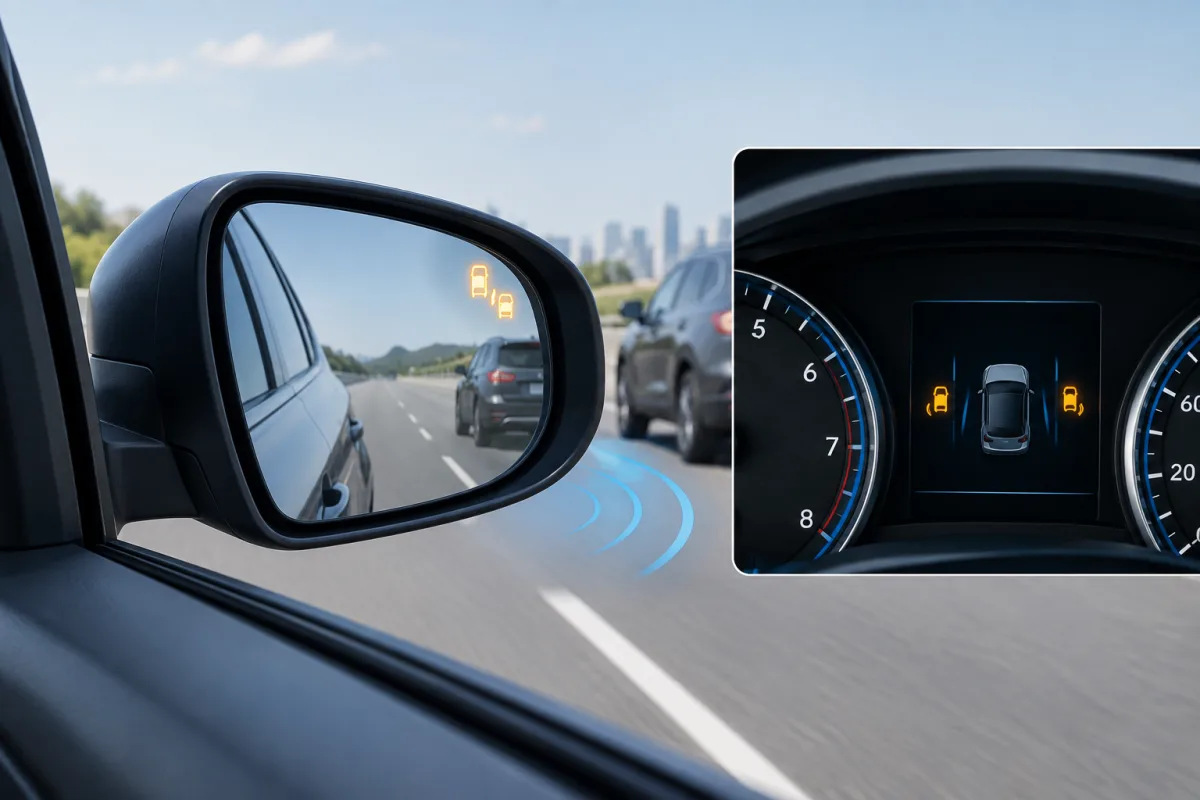
BSM stands for Blind Spot Monitor. When equipped and enabled, the system uses indicators in the outside rear-view mirrors to alert the driver when a vehicle is detected in an adjacent blind spot.
The system is designed to support the driver during lane changes. It does not replace checking the mirrors and looking over the shoulder before moving into another lane.
What is RCTA on Toyota?
RCTA means Rear Cross Traffic Alert. It is commonly associated with the BSM system and helps warn the driver about approaching traffic while reversing, where the vehicle is equipped with this feature.
RCTA is particularly useful when visibility is limited by parked vehicles or other obstacles. The exact warning method and operating conditions depend on the Toyota model.
What is RSA on Toyota?
RSA stands for Road Sign Assist. This driving-assistance system is designed to recognize certain road signs and provide related information to the driver when available.
RSA is not included on every Toyota. Availability and displayed information depend on the model, equipment and market.
What is PCS on Toyota?
PCS means Pre-Collision System. It is one of Toyota’s driver-assistance systems and may provide warnings when the vehicle detects a potential collision, depending on the vehicle’s equipment and operating conditions.
A PCS warning light may illuminate or flash when the system is disabled or detects a malfunction. Follow the message shown on the vehicle display and arrange an inspection when the manual or warning message requires it.
Where is the VSC button on a Toyota?
VSC stands for Vehicle Stability Control. The system helps manage vehicle stability, while the related traction-control functions can help limit wheel spin.
There is no universal VSC-button location for every Toyota. Depending on the model, the control may be:
- labeled VSC OFF;
- labeled TRAC OFF;
- located near the dashboard or center console; or
- available through the vehicle’s settings menu.
The VSC OFF indicator shows that traction control and VSC have been switched off. Toyota’s dashboard guidance states that the switch is generally operated while the vehicle is stopped. Consult the owner’s manual for the exact location and operating procedure for the specific year and trim.
Why is my Toyota tire-pressure light blinking?
If the tire-pressure warning light blinks for approximately one minute and then stays illuminated, the tire-pressure monitoring system may have a malfunction rather than simply indicating low tire pressure.
A light that stays on without first blinking commonly indicates low tire inflation pressure. Temperature changes and the natural loss of air can also affect tire pressure.
Check the tire pressures against the vehicle’s specified values. If the light continues to blink before remaining on, or if it does not go out after the tires are correctly inflated, the system may need inspection. Warning-light behavior and reset procedures can differ between Toyota vehicles, so use the manual for the specific model and year.
Toyota acronym guide
- BSM: Blind Spot Monitor
- RCTA: Rear Cross Traffic Alert
- RSA: Road Sign Assist
- PCS: Pre-Collision System
- VSC: Vehicle Stability Control
Because Toyota dashboard layouts, system names and warning behavior vary by model year, trim, market and optional equipment, an acronym or indicator should always be checked against the owner’s manual for the particular vehicle.