A junk yard is a place where unwanted, discarded, damaged, or obsolete items are collected, stored, dismantled, salvaged, recycled, or sold. The term can refer to a site holding old furniture, machinery, vehicles, scrap metal, and other discarded goods.
What does “junk yard” mean?
A junk yard may be land or a building used to collect, store, dismantle, salvage, or sell discarded materials. Some yards handle a wide range of unwanted items, while others specialize in vehicles, machinery, or metal recycling.
What is an auto junk yard?
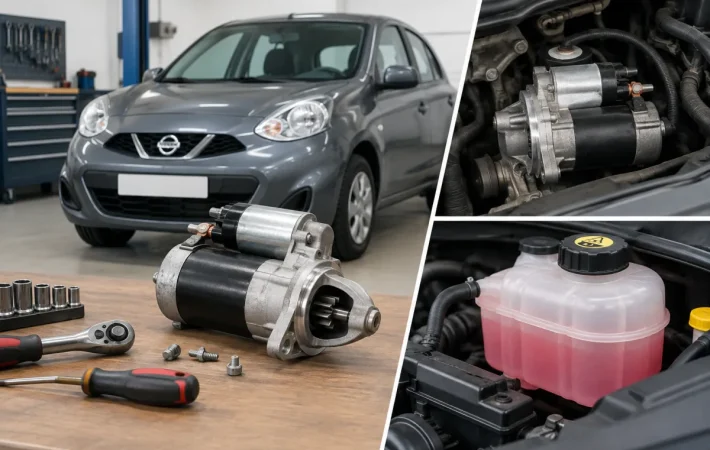
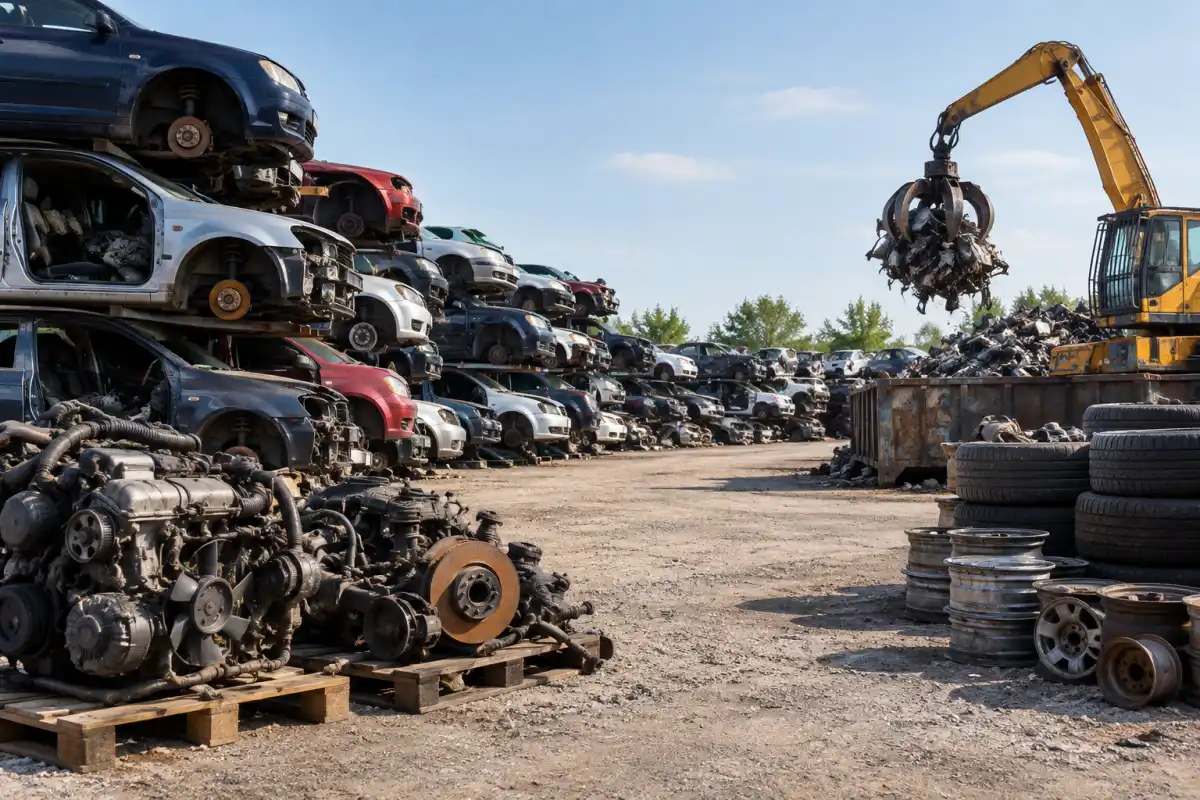
In common U.S. usage, “junk yard” often means an auto salvage yard or vehicle dismantling facility. These businesses accept old, damaged, or unwanted vehicles and take them apart to recover usable components.
Reusable engines, transmissions, body panels, wheels, interior components, and other parts may be removed and sold. Fluids and other materials are handled during dismantling, while remaining metal and vehicle materials may be processed or sold as scrap.
What can you do at a junk yard?
- Find replacement parts for vehicle repairs.
- Buy used components from older or damaged vehicles.
- Sell or dispose of an unwanted vehicle.
- Recycle scrap metal and other materials.
- Locate parts that are no longer available through regular auto-parts stores.
Junk yard, salvage yard, and scrapyard
These terms are often used interchangeably, although they can emphasize different activities. A salvage yard generally focuses on recovering usable vehicle parts and materials. A scrapyard is more strongly associated with collecting and processing scrap metal. A junk yard is the broadest everyday term and may describe either type of operation.
Are junk yards regulated?
The legal definition and operating requirements for a junk yard vary by state, county, and city. Licensing, vehicle disposal, environmental compliance, and payment practices are location-specific, so the applicable local requirements should be checked before using a particular yard.