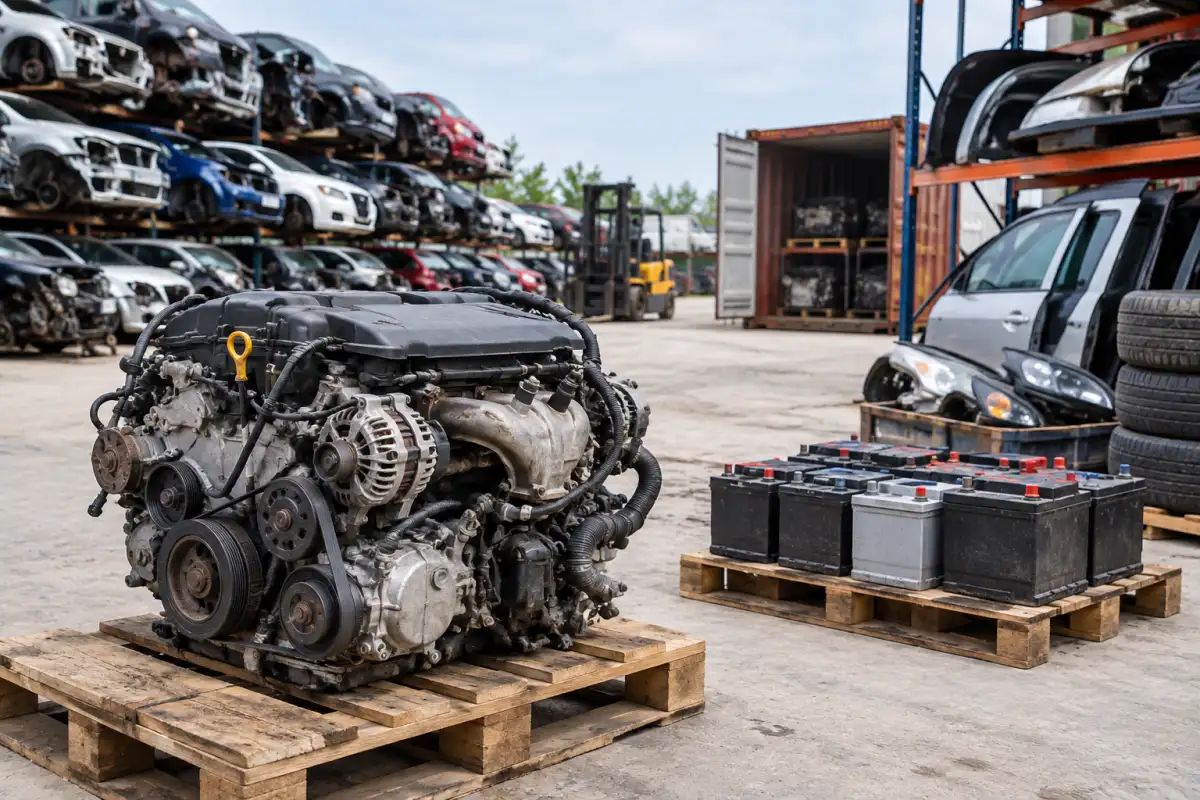
Junk yards commonly stock used engines, transmissions, body panels, interior components, electrical parts, suspension pieces and other components removed from damaged or retired vehicles. The exact inventory changes daily because parts depend on the vehicles currently in the yard and what has already been sold.
Do junk yards have engines?
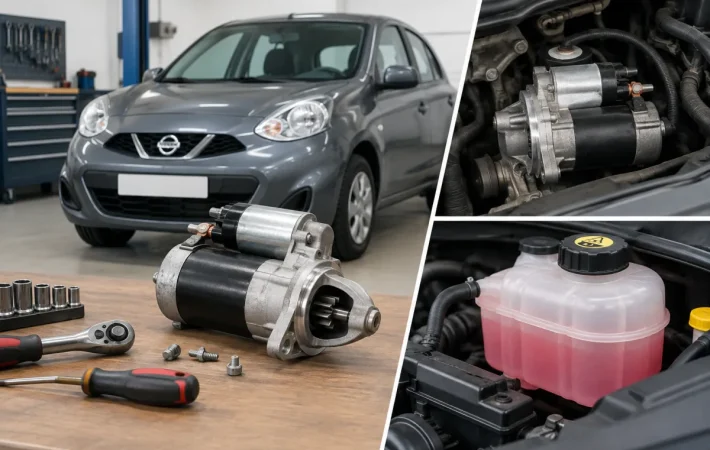
Yes. Engines are among the most common and valuable parts sold by automotive salvage yards. A yard may sell a complete engine, an engine assembly, or individual components such as cylinder heads, alternators, starters and other accessories.
Availability depends on the vehicle inventory, engine condition and whether another customer has already removed the part. Before buying, verify the vehicle year, make, model, trim, engine code and mileage when that information is available. Also ask whether the engine was tested and whether a warranty or return policy applies.
Where to find used engines
- Pull-A-Part sells used engines, transmissions, body parts, interior parts and electrical components. Its self-service yards provide an A-frame and hoist to help customers remove engines and transmissions. Pull-A-Part does not ship parts to individuals or transfer parts between locations.
- LKQ Pick Your Part lists engines and batteries among the parts available through its self-service recycling yards. Customers typically bring their own tools, locate a vehicle and remove the part themselves. Inventory and battery availability vary by location.
- Car-Part.com lists used engines and other recycled components from participating automotive recyclers. Shipping, warranties, returns and delivery times are set by the individual recycler.
Do junk yards have car batteries?
Some junk yards have car batteries, but availability is less consistent than for engines or body parts. Batteries are often removed from vehicles when they arrive because they contain lead and acid. Some recycling yards sell tested batteries separately, while others send them for recycling instead of placing them in the customer-accessible inventory.
LKQ Pick Your Part advertises batteries among its available automotive parts, but the stock and purchasing rules differ between locations. Confirm the battery group size, terminal layout, condition and any available testing or warranty information before buying.
What other parts do junk yards sell?
Depending on the vehicles in stock, a junk yard may have:
- Transmissions and transfer cases
- Alternators, starters and other electrical components
- Doors, hoods, fenders, bumpers and mirrors
- Headlights, taillights and other lighting components
- Seats, dashboards, consoles and interior trim
- Suspension and steering components
- Wheels and selected tires
- Turbochargers, electronics and hybrid vehicle components
Self-service yards generally require customers to bring their own tools and remove parts themselves. Large components such as engines and transmissions may require lifting equipment or staff assistance. Row52 can help locate vehicles and parts at participating Pick-n-Pull yards, but customers generally travel to the yard, remove the part and pay at checkout.
Do junk yards ship parts?
Many full-service salvage yards and automotive recyclers ship parts, including engines and transmissions. Shipping is not universal, however. Self-service operators may require local pickup, and Pull-A-Part states that it does not ship parts to individuals.
Car-Part.com connects buyers with participating recyclers that may arrange delivery or shipping. The seller determines the shipping charge, delivery time, warranty, return terms and whether the specific part can be shipped. Heavy parts such as engines and transmissions may require freight delivery rather than ordinary parcel shipping.
Do junk yards buy old car parts?
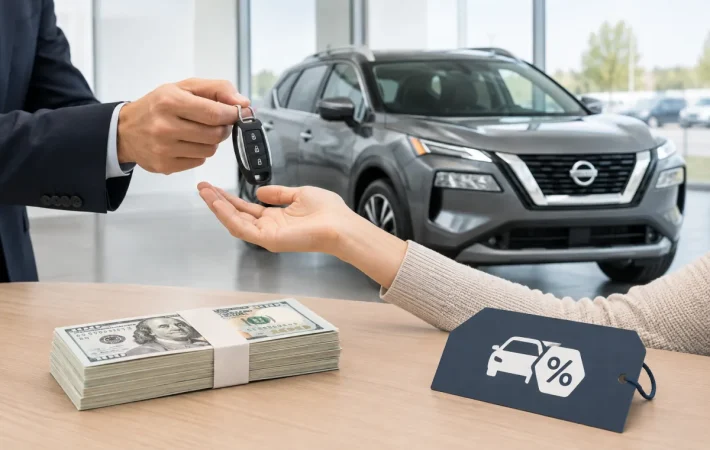
Some do, but a junk yard is more likely to buy a complete vehicle, salvageable vehicle, scrap material or a rebuildable core than an unrelated box of old parts. Acceptance depends on condition, completeness, resale demand and the buyer’s program.
Parts with potential resale or rebuilding value may include engines, transmissions, alternators, starters, electronics, catalytic converters and selected hybrid batteries. A yard may reject parts that are damaged, incomplete, contaminated, difficult to identify or unlikely to sell.
Specialized buyers for used parts and cores
G-COR Automotive buys and processes selected automotive cores and parts, including engines, transmissions, transfer cases, alternators, starters, electronics, turbos and hybrid batteries. Its facility is at 2100 Refugee Rd., Columbus, OH 43207. Engines and other components must meet its requirements for condition, completeness, labeling and packaging, and qualifying material may be handled through shipping or pickup arrangements.
Do junk yards buy used parts?
They may buy used parts when the parts have clear identification and resale, rebuilding or core value. The buyer may ask for the part number, vehicle application, condition, completeness and proof that the part works.
Complete engines and transmissions usually have a better chance of acceptance than miscellaneous components, but no nationwide policy applies to every yard. Contact the specific recycler before transporting heavy parts to its facility.
Do junk yards buy new car parts?
Traditional junk yards generally do not focus on buying new aftermarket parts. Their main business is recycled and used vehicle components. New aftermarket parts are normally handled by automotive parts retailers.
A recycler may accept surplus inventory or new-old-stock parts through a separate program, but this is not standard. Ask whether the business buys privately supplied new parts and provide the manufacturer, part number, quantity and proof of condition.
What to check before buying or selling a part
- Confirm the year, make, model, trim and engine or transmission type.
- Compare the original part number and interchange information.
- Ask whether the component was tested and whether it is complete.
- Check the warranty, return period and any as-is terms.
- Confirm whether the yard ships, offers pickup or requires self-service removal.
- For an engine or transmission, ask about lifting equipment, packaging and freight delivery.
- For a battery, verify the group size, age, testing method and terminal configuration.
Inventory, prices, warranties, shipping charges and purchasing policies vary by location. The specific yard or recycler must confirm whether a particular part is available and whether it will buy or ship it.