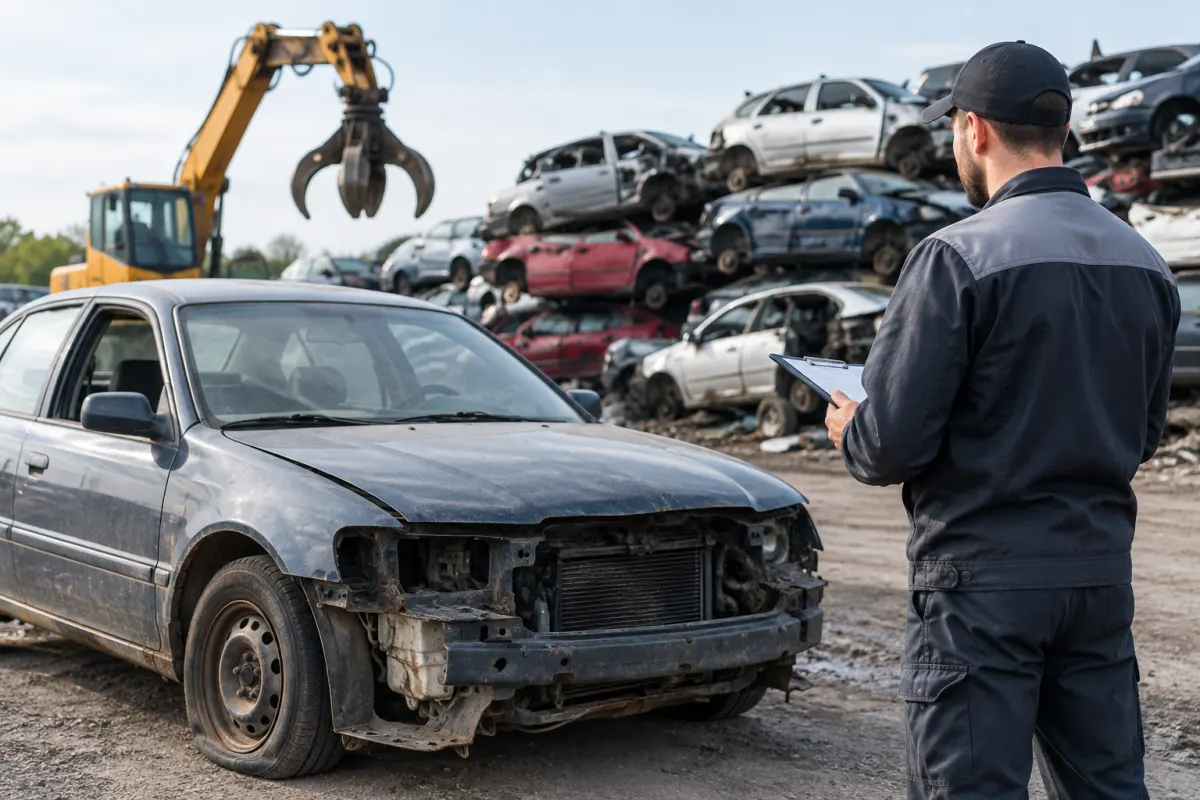
Most junk yards, auto recyclers and salvage-car buyers do not purchase every vehicle automatically, but many accept a wide range of cars and trucks. They commonly buy vehicles for reusable parts, scrap metal or resale through salvage channels, so a car usually does not have to be running or repairable.
Companies such as Junk-A-Car state that they buy junk, damaged, wrecked and non-running vehicles throughout the United States. Copart also notes that selling a totaled vehicle for parts may make more financial sense than repairing it, depending on its condition and value.
What types of cars do junk yards buy?
Wrecked and totaled cars
Many junk yards buy cars damaged in collisions, including vehicles with frame damage, deployed airbags or extensive body damage. A totaled vehicle may still contain valuable parts, or its remaining metal may have scrap value.
Acceptance depends on the buyer’s purchasing criteria, the vehicle’s completeness and whether its parts can be resold. When requesting an offer, describe the damage accurately and state whether the car is operable.
Non-running cars
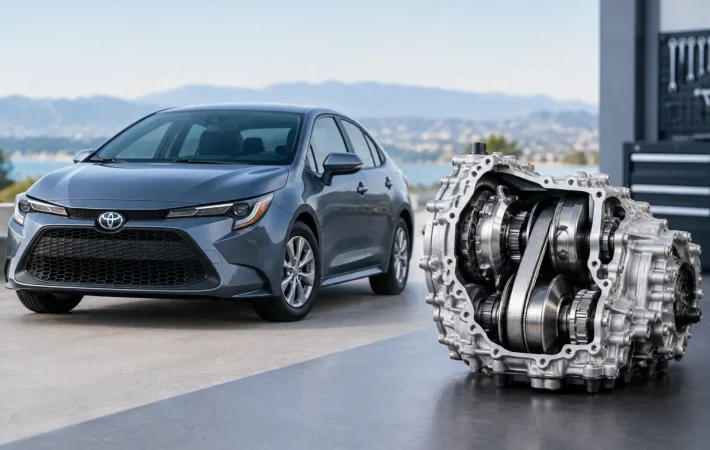
Junk yards often buy cars that cannot be driven because of a failed engine, transmission or other major mechanical problem. The vehicle may still be worth money because of its engine components, transmission, catalytic converter, body panels, wheels or scrap metal.
Running cars
Some junk-car buyers purchase running vehicles as well. However, a running car in usable condition may receive a higher offer from a private buyer, used-car dealer or specialized vehicle buyer than from a junk yard.
Junk yards usually calculate an offer based on parts and scrap value rather than the vehicle’s full resale value. Comparing offers is useful when the car still runs and has a clear ownership history.
Old and high-mileage cars
Old cars and vehicles with very high mileage are common candidates for junk-car sales, especially when repair costs exceed the car’s practical value. Even when the vehicle is no longer economical to maintain, its parts and metal may retain value.
Flood-damaged cars
Some salvage buyers accept flood-damaged vehicles. Flood damage can affect the title status and transfer requirements, however, so the buyer may need specific documentation before purchasing or dismantling the car.
Do junk yards buy cars for parts?
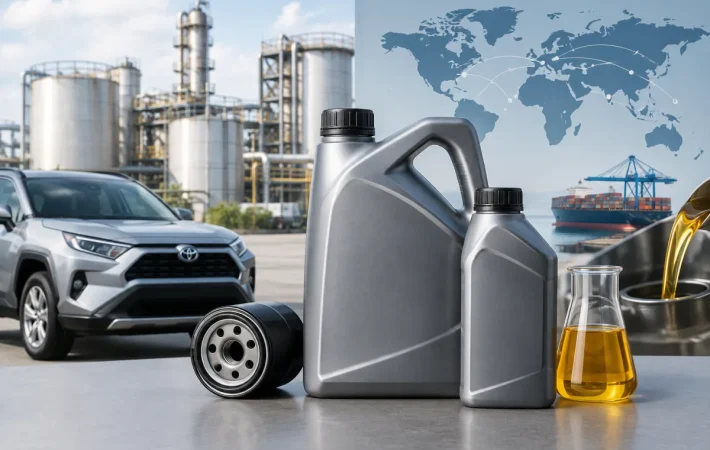
Yes. Parts are one of the main reasons salvage yards and auto recyclers buy vehicles. A complete car with a usable engine, transmission, catalytic converter or other sought-after components may be worth more than a stripped shell.
The make, model and year also matter. A vehicle with parts that are difficult to find may attract more interest than an otherwise similar car with limited demand. Buyers may also consider whether the vehicle is complete, whether it can be transported and whether its parts are damaged.
What affects a junk-car offer?
- Title and ownership documents: The buyer may require the title, registration or other proof of ownership.
- Location: Towing distance and local purchasing policies can affect whether the buyer accepts the vehicle.
- Condition: Running status, collision damage, flood damage and mechanical problems all influence the assessment.
- Completeness: A car with its engine, transmission and other valuable components may be worth more than a dismantled vehicle.
- Make, model and demand: Vehicles with reusable or hard-to-find parts may receive more interest.
- Weight and scrap content: When parts have little resale value, the vehicle’s metal content becomes more important.
- Local requirements: Title, salvage and dismantling rules vary by state.
Do you need a title to sell a junk car?
Often, yes, but the exact requirement depends on the state and the type of buyer. Copart notes that a junk yard may request the title and registration. State rules can also impose additional reporting or record requirements.
For example, the Texas Department of Motor Vehicles states that Texas used auto parts recyclers purchasing a vehicle without a title must submit a required report before dismantling it, with the stated requirement effective January 1, 2026. This illustrates why documentation rules should be checked locally before transferring a vehicle.
How to find out whether a junk yard will buy your car
- Gather the year, make, model and vehicle identification number.
- Confirm whether the car runs and whether it can be driven or must be towed.
- Describe collision, flood or mechanical damage honestly.
- List major missing parts, such as the engine, transmission or catalytic converter.
- Ask which title or ownership documents are required.
- Compare the junk-yard offer with offers from private buyers, used-car dealers or other salvage buyers when the vehicle is running or repairable.
Junk-A-Car is one national junk-car buyer that lists junk, damaged, wrecked, non-running, flood-damaged, high-mileage and running vehicles among the types it may accept. Copart is a salvage-vehicle auction and recycling marketplace that discusses selling total-loss vehicles for parts when repair is not financially practical.
There is no single nationwide rule requiring every junk yard to buy every type of car. The final decision normally depends on the vehicle’s condition, parts, title status, location, completeness and the buyer’s current purchasing policy.